A quiet Holy Week reflection on biblical herbs — rosemary, hyssop, mint, thyme, and parsley — inspired by a visit to the Garden of Gethsemane.
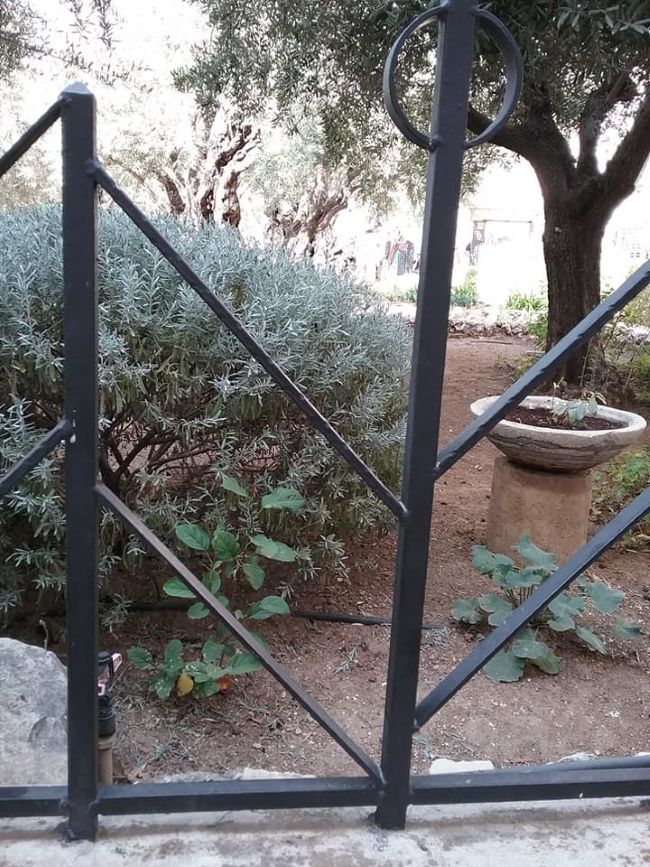
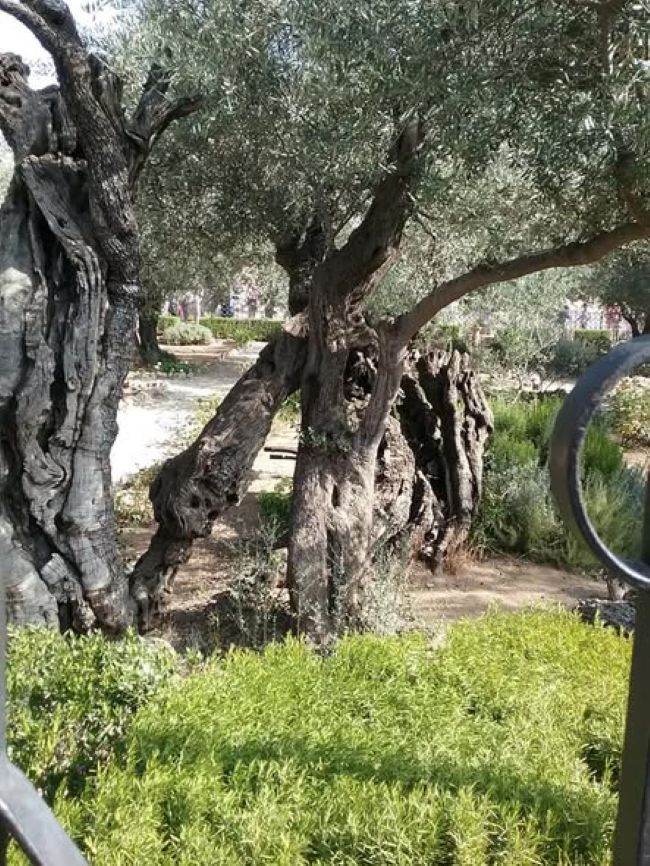
Several years ago, Dave & I walked through the Garden of Gethsemane — ancient olive trees rising out of the earth like living history, their trunks twisted with centuries of wind and prayer. The quiet there was almost physical, a kind of stillness that settles into your chest and stays. It’s the kind of place that makes you notice small things — the fragrance of herbs, the texture of leaves, the way humble plants have carried meaning through thousands of years.
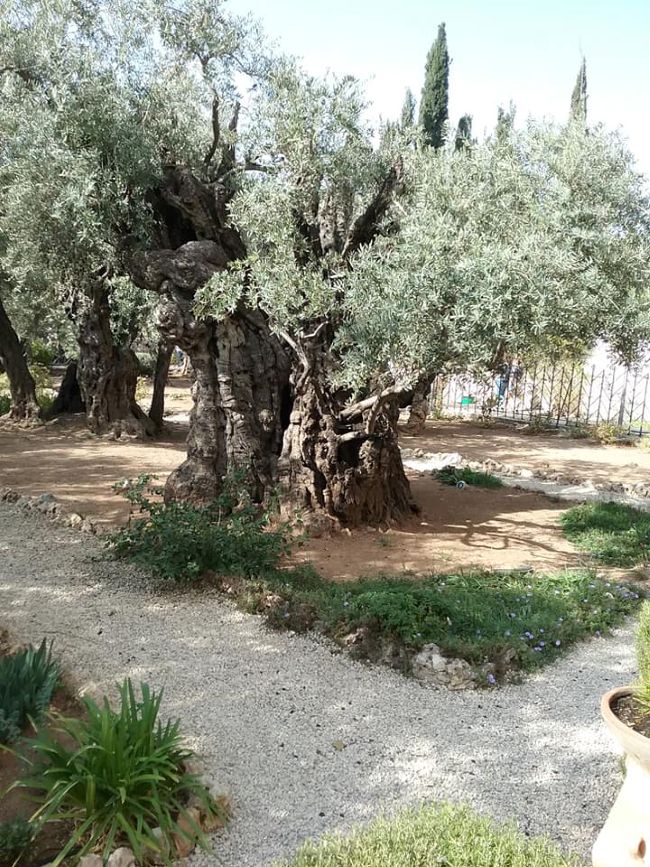
As Holy Week returns, I find myself thinking about those simple herbs again — rosemary for remembrance, hyssop for cleansing, mint for hospitality, thyme for courage, parsley for renewal. Small symbols with deep roots.
A Note About Ancient Herbs
Botanists still debate exactly which species the ancient texts refer to, and many of the herbs we grow today are close relatives rather than perfect matches. I’m sharing the traditional associations here — the humble, fragrant plants that have carried meaning through centuries.
The Herbs of Scripture
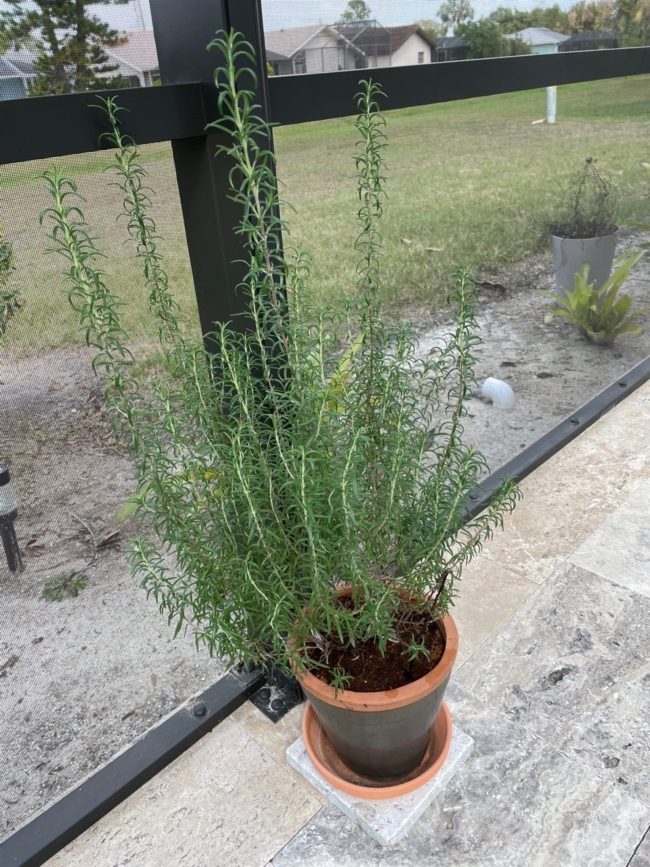
Rosemary — Remembrance & Faithfulness
Rosemary has long been a symbol of memory — woven into ancient rituals, carried at weddings and funerals, and used to honor those who came before us. Its strong, resinous fragrance feels fitting for Holy Week, a reminder of devotion and steadfast love.
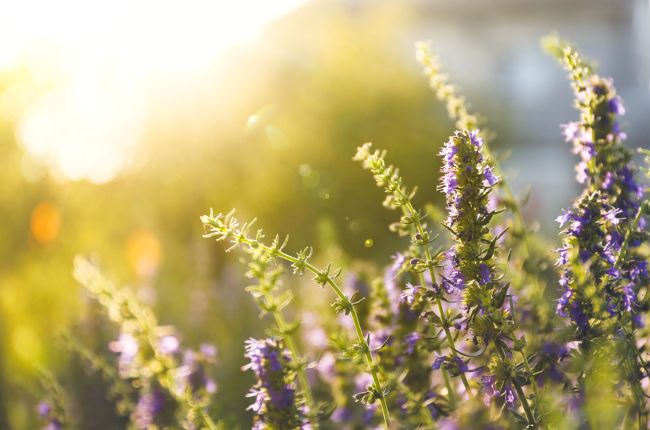
Hyssop — Cleansing & Renewal
Hyssop appears throughout Scripture as a symbol of purification — used in ancient rituals to mark new beginnings and to signify a heart made clean. Its delicate purple spikes and airy fragrance remind us that healing often comes through small, simple things.
Botanists still debate the exact species referenced in the Bible, but the symbolism remains the same: a humble plant pointing toward renewal.
Mint — Hospitality & Welcoming
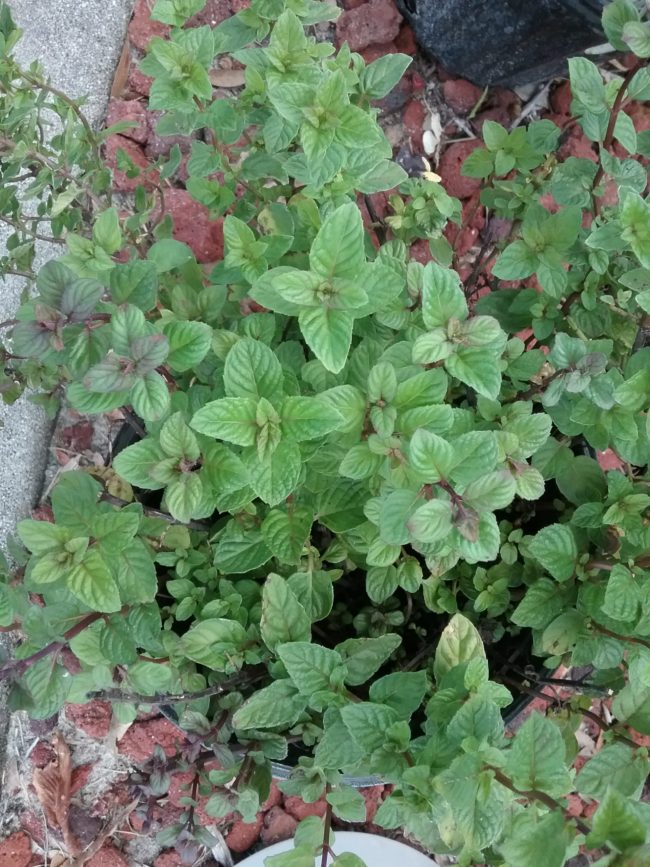
Mint was a familiar household herb in the ancient world — refreshing, fragrant, and used in everyday life. It carries the symbolism of welcome and simple generosity, the kind of hospitality that doesn’t need to be grand to be meaningful.
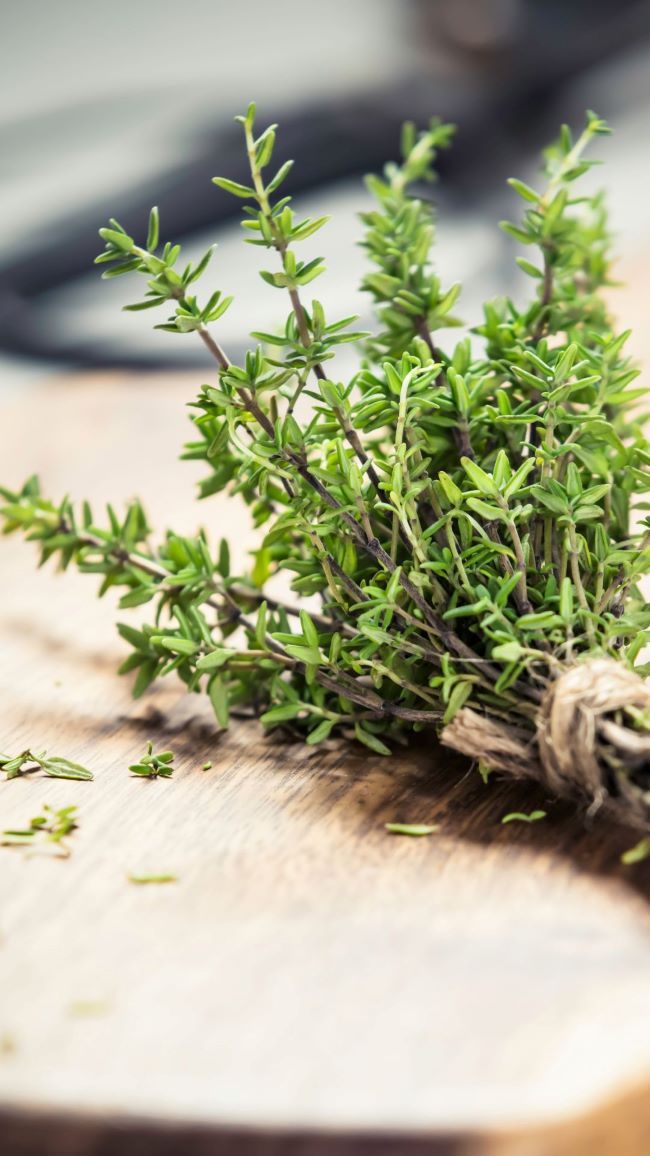
Thyme — Courage & Steadfastness
Thyme has been associated with courage since antiquity. Its tiny leaves and earthy scent feel humble, but its symbolism is strong — a reminder of quiet bravery, the kind that shows up in small acts of faithfulness.
Parsley — Renewal & New Life
Parsley appears in the Passover meal as a symbol of rebirth and the fresh start of spring. Its bright green leaves make it a natural bridge between the Jewish and Christian traditions of this season — a reminder that new life often begins in the simplest places.
A Quiet Pause
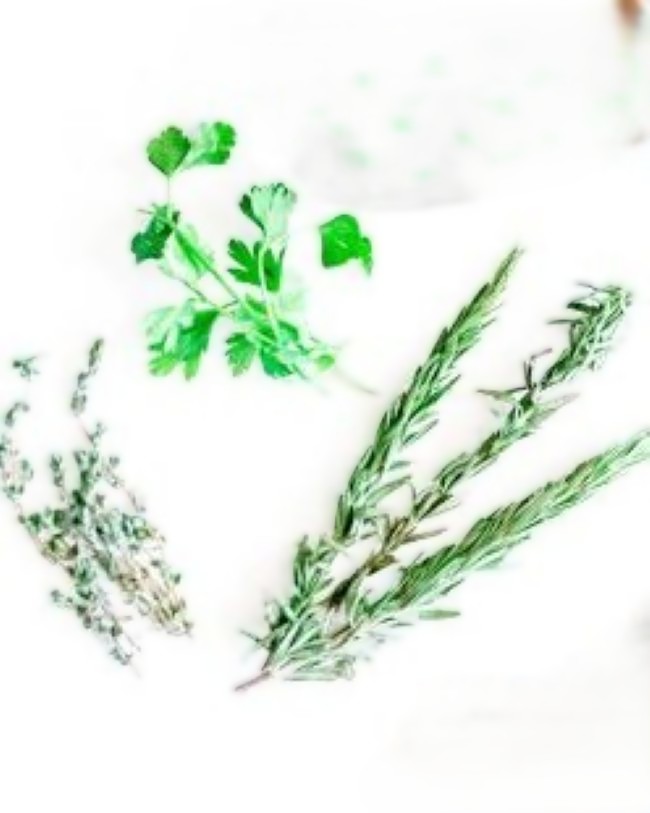
A moment to breathe, to let the symbolism settle.
🌿 Closing Reflection
Walking through Gethsemane all those years ago changed the way I see these humble herbs. They’re not just ingredients — they’re small reminders of stories that have shaped generations. As Holy Week unfolds, I’m grateful for the quiet symbols that draw us back to what matters: remembrance, renewal, courage, welcome, and hope.
Sometimes the simplest things — a sprig of rosemary, a handful of mint, a cluster of purple hyssop — carry the deepest meaning.
If you enjoy quiet, symbolic reflections like this, you might also appreciate some of my other faith‑rooted posts.
I am confident you are watching The Chosen series about Jesus’ life and teachings from the perspective of the apostles. If not, you will absolutely be blown away when you do! There is a nice scene where Jonathan Roumie as Jesus meets an ancestor there in the Garden. Really beautiful!!
Happy to share your lovely and inspired post in honor of Jesus saving us from our sins at this week’s Share Your Style #493,
Barb 🙂
Yes, I have seen the series The Chosen. It is a great show. Thank you for featuring my biblical herb post. Hope you had a blessed Easter!
This is so informative. I never really stopped to consider the herbs in Scripture. Pausing to reflect on your words today.
Thank you so much for sharing with Sweet Tea & Friends this month dear friend. I’m so happy you’re here.
You are welcome! I am glad I found your link party! Have a wonderful day!